

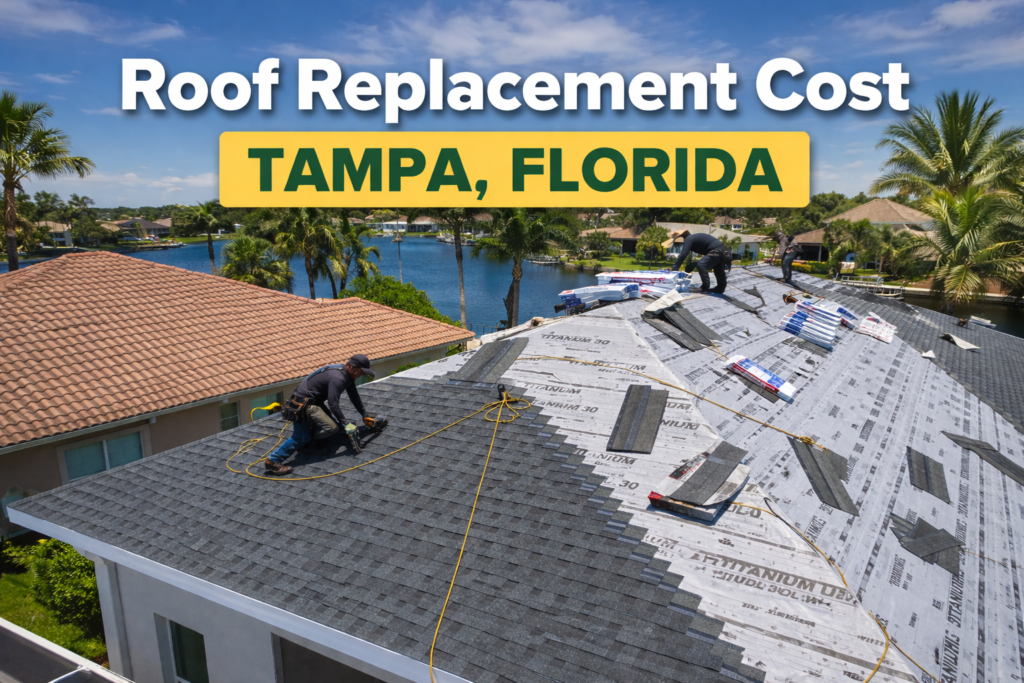
Roof replacement cost in Tampa can vary quite a bit depending on the size of the home, the roofing material, the condition of the existing roof, and how complex the job is. Some homeowners are only dealing with worn shingles and old underlayment. Others are dealing with storm damage, hidden wood rot, ventilation issues, or a roof that should have been replaced years ago. If you are trying to understand what a new roof may cost in the Tampa area, this guide breaks down the biggest pricing factors, what affects the final number, and what homeowners should know before signing a contract.
If you are already comparing contractors and want to speak with a local company, visit Tampa Premier Roofing. You can also learn more about the company on the About Us page, review available roofing services, and look through completed work on the projects page.
The Short Answer: Roof Replacement Cost in Tampa Usually Depends on Size, Material, and Condition
When homeowners ask how much a roof replacement costs in Tampa, they usually want one simple number. The problem is that there is no honest one-size-fits-all answer. A smaller single-story home with a simple shingle roof is going to cost much less than a larger home with multiple valleys, steep slopes, flashing details, and damaged decking underneath. The type of roofing material matters too. Architectural shingles, metal roofing, tile systems, and flat roofing assemblies all come with different labor requirements and different material costs.
In Tampa, roofing prices are also shaped by Florida-specific conditions. Heat, humidity, strong sun, heavy rain, wind events, and hurricane exposure all affect how roofing systems perform over time. That means a roof in this market is not just being priced based on square footage. It is also being priced based on what it takes to install a system that can handle real weather conditions in this part of the state.
That is why homeowners should be cautious about ultra-cheap quotes that look dramatically lower than everything else. A low number can mean corners are being cut somewhere, whether that is underlayment quality, flashing details, ventilation corrections, or how much damaged wood the contractor is actually planning to replace. A roof quote should not just tell you the price. It should tell you what you are actually getting.
What Actually Affects Roof Replacement Cost in Tampa?
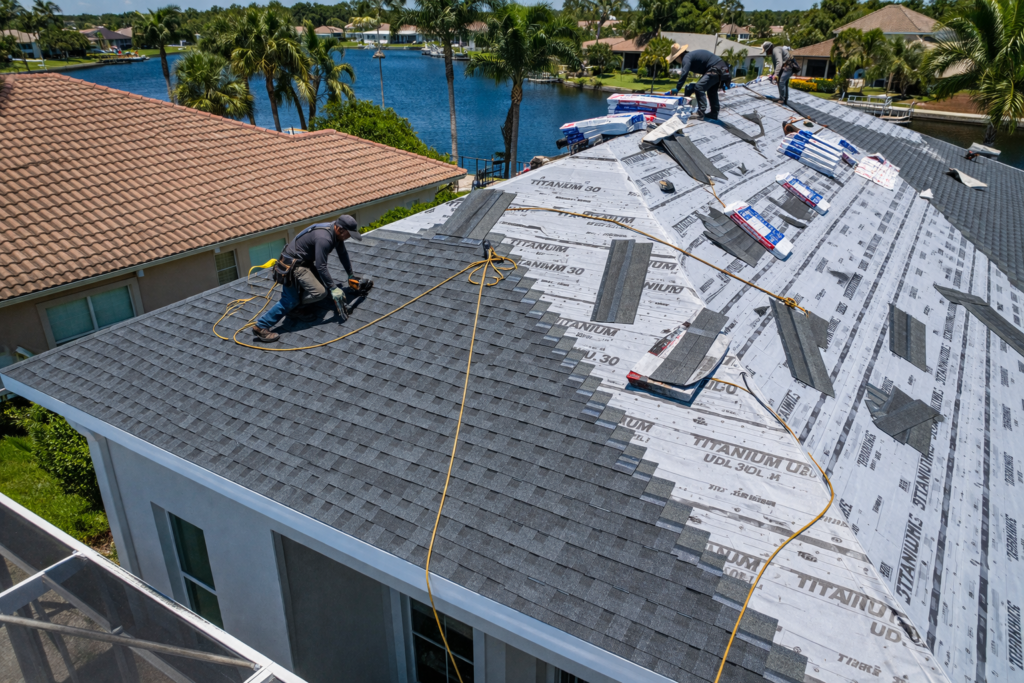
The biggest factor is usually roof size, but that is only the beginning. Roof shape matters too. A simple roofline with fewer penetrations is faster and easier to replace than a roof with multiple hips, valleys, dormers, skylights, or transitions. Steeper roofs can also cost more because they are more labor-intensive and require additional safety setup. Accessibility matters as well. If it is harder to get materials up, tear-off debris down, or work around landscaping and tight side yards, labor can rise.
Roofing material is another major cost driver. Asphalt shingles are often one of the more budget-friendly options, while metal and tile can be significantly more expensive. Flat roof systems have their own pricing structure depending on the membrane type, insulation needs, drainage conditions, and whether there is ponding water or moisture trapped below the existing surface.
Then there is the condition of the roof beneath the visible surface. A contractor may not know the full extent of decking damage until tear-off begins. If there is rotted wood, deteriorated fascia, compromised flashing, or evidence of long-term leaks, the total cost can rise once the roof is opened up. This is one reason it is smart to ask how wood replacement is handled in the estimate and whether it is included up to a certain amount or billed separately if needed.
Ventilation can also affect pricing. Many Tampa homeowners focus on shingles or tile and do not think much about attic airflow, but proper ventilation can affect the life of the roof and the way heat builds up inside the home. If ridge vents, intake ventilation, or other corrections need to be made, those costs can show up in the proposal too.
Why Tampa and Florida Roofs Are Different
Tampa roofs do not age the same way roofs in milder climates do. Constant UV exposure wears materials down. Afternoon storms test flashing and drainage. High humidity can speed up deterioration in areas where moisture gets trapped. Wind exposure matters, especially during storm season. Florida code requirements and installation expectations are also part of the equation, and that affects both material choice and labor standards.
In many cases, homeowners are not just paying for a new roof surface. They are paying for a roofing system designed for Florida conditions. That includes underlayment, flashing details, fastening methods, ventilation, and installation practices that can stand up better to Tampa weather. A roof replacement done right is not just about looks. It is about water control, wind resistance, and long-term performance.
This is one reason local experience matters. A contractor who works in the Tampa area understands common roof issues specific to the region, including storm damage patterns, common weak spots, and the materials that tend to perform best in this climate. If you are comparing companies, it helps to review their local background, their experience, and the type of jobs they regularly take on.
Asphalt Shingle Roof Replacement Cost
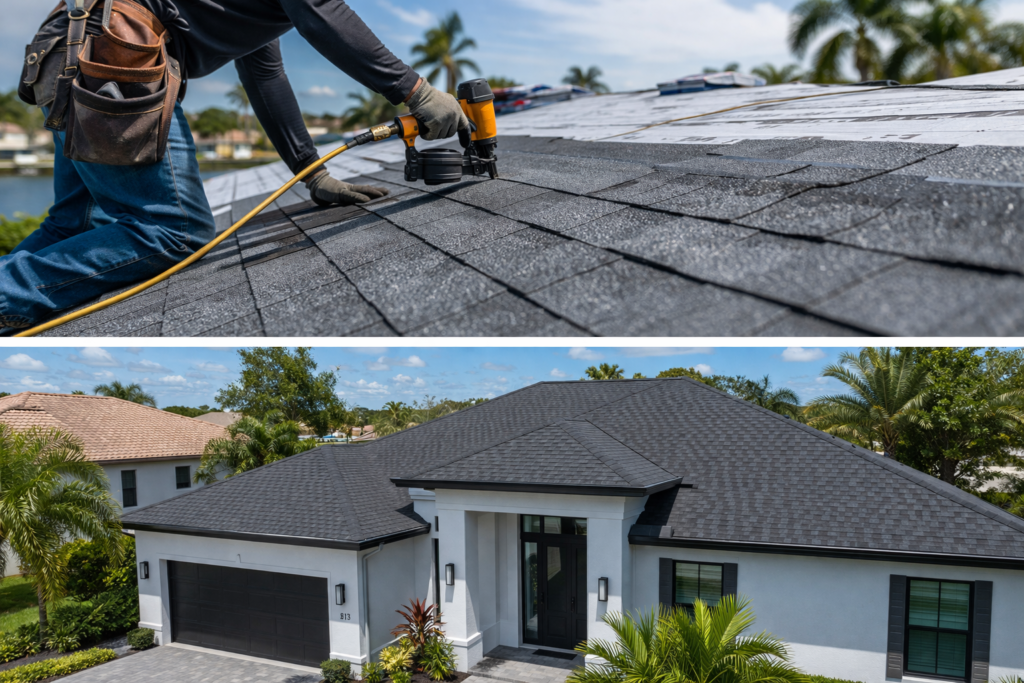
Asphalt shingles are one of the most common roofing materials in the Tampa area because they are widely available, relatively cost-effective, and suitable for many residential homes. But even within shingles, price can vary. Basic three-tab shingles are not the same as architectural shingles, and premium designer shingles can cost more than many homeowners expect. The underlayment, starter materials, ridge components, ventilation products, and flashing details all affect the final number too.
Many homeowners make the mistake of comparing roofing quotes based only on the top-line price without comparing the actual scope. One estimate may include upgraded synthetic underlayment, proper drip edge, better ridge caps, and more detailed flashing work, while another may leave those things vague. On paper, both may say “roof replacement,” but they are not the same roof system.
If your home is a candidate for shingles, ask what specific shingle product is being proposed, what underlayment is being used, whether old materials are fully removed, and how problem areas like valleys, penetrations, and walls are being handled. Those details matter more than many homeowners realize.
Metal Roof Replacement Cost
Metal roofing can cost more upfront, but many Tampa homeowners look at it for durability, longevity, and appearance. The exact cost depends on the panel type, gauge, finish, fastening system, trim complexity, and roof design. Metal roofs can be a strong choice in Florida, but installation quality is critical. Flashing transitions, penetrations, and fastening details all need to be done correctly. A bad metal roof install can turn an expensive upgrade into a frustrating problem.
Because metal systems require precision, labor can be a bigger part of the price compared with a more standard shingle replacement. Homeowners interested in metal should ask whether the contractor installs metal regularly or only takes on those projects once in a while. You can also review the company’s past projects to see the quality and style of work.
Tile Roof Replacement Cost
Tile roofs are common throughout Florida and can offer a strong visual upgrade, but they come with a higher cost and more specialized handling. Tile material itself can be expensive, and labor is usually more involved. Underlayment matters a lot under tile, and if the existing roof has structural or decking issues, repair costs can add up quickly. Broken tiles, discontinued tile profiles, and matching concerns can also complicate repair-versus-replacement decisions.
With tile, homeowners should think beyond the visible surface. Much of the waterproofing work is happening below the tile. If underlayment has aged out, a roof can fail even if many of the tiles still look decent from the street. This is why a tile roof can appear serviceable to a homeowner while still being close to replacement time.
Flat Roof Replacement Cost
Flat and low-slope roofs need a different conversation entirely. These systems are not just about surface material. Drainage, seams, penetrations, ponding water, slope correction, and insulation can all affect pricing. If a flat roof has been patched over repeatedly, a contractor may recommend full replacement instead of one more repair. That can be the smarter long-term move if the system has reached the point where repairs are only delaying a larger failure.
Homeowners and property owners with low-slope roofs should ask whether the issue is isolated or systemic. Sometimes the roof itself is near the end of its life. In other cases, poor drainage or recurring seam failure is the bigger problem. A proper inspection matters before deciding how much to invest in repairs versus a full replacement.
Labor, Tear-Off, and Disposal Costs
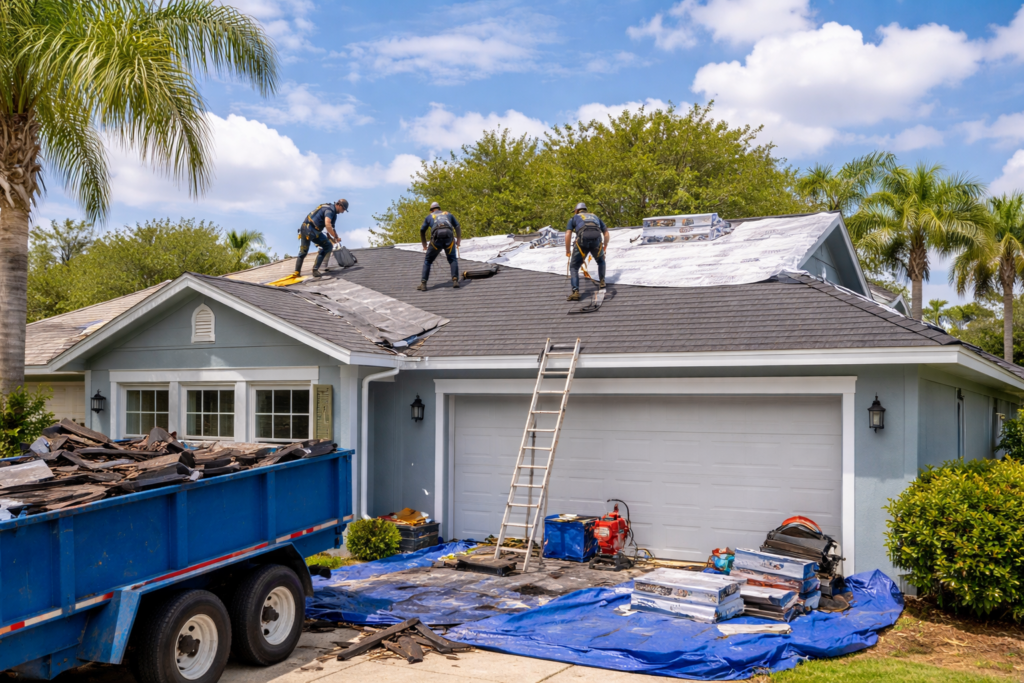
Roofing estimates usually include more than just materials. Labor is a major part of the price, and so is tear-off and disposal. Removing an old roof safely takes time, equipment, and manpower. Dump fees, cleanup, and site protection are all part of the process. If the roof has multiple old layers, tear-off can take longer and cost more. If damaged wood is found underneath, that becomes another cost factor.
Homeowners should ask whether the quote includes full tear-off, haul-away, cleanup, and magnetic nail sweeping around the property. That may sound basic, but not every estimate is equally detailed. The more specific the proposal is, the easier it is to compare one company against another.
Permits and Code Requirements
Permits can affect roof replacement cost in Tampa as well. Depending on the project, the municipality, and the type of work being done, permitting and inspections may be part of the total price. Homeowners should not treat permits as some minor side issue. Permits help document that the job is being handled properly and inspected as required. If a contractor tries to push a major roof replacement without permits when they should be involved, that is not a good sign.
A solid roofing proposal should make it clear whether permits are included and who is responsible for pulling them. If you are already looking into your options, the services page can help you get a better idea of the kind of work being offered before you request an estimate.
Insurance and Storm Damage
One of the biggest questions Tampa homeowners ask is whether insurance will cover roof replacement. The answer depends on the cause of damage, the condition and age of the roof, the policy language, and what the adjuster finds. Sudden storm damage is a different situation from long-term wear and tear. If the roof is simply old and deteriorated over time, coverage may be limited or unavailable. If there is documented storm damage, the analysis can be different.
Homeowners should document visible signs of damage, take photos when possible, and schedule an inspection promptly after a storm if they suspect an issue. Missing shingles, lifted materials, water intrusion, dented metal components, or debris impact can all matter. A local roofer can often help identify whether the condition looks more like storm-related damage, age-related wear, or a mix of both.
Even when insurance is involved, homeowners should still understand the full scope of work being proposed. Insurance may pay for certain items, but there can still be out-of-pocket costs tied to code upgrades, deductibles, uncovered items, or optional material upgrades.
Repair or Replace?
Not every roof needs full replacement immediately. Sometimes a repair is the smarter choice, especially if the damage is localized and the rest of the roof still has life left in it. But in other situations, repair money gets wasted because the roof is too far gone overall. This is especially true when there are repeated leaks, widespread shingle deterioration, soft spots, recurring patchwork, or signs that the underlying system is failing in multiple areas.
A good contractor should be able to tell you honestly whether a repair makes sense or whether you are just postponing the inevitable. That kind of guidance matters. If you are looking at both options, it helps to review the company’s full range of roofing services so you understand whether they are set up to offer practical repair solutions, full replacement, or both.
Questions to Ask Before You Accept a Roof Replacement Estimate
Before signing anything, ask what material is being installed, what underlayment is included, how flashing details are handled, whether permits are included, how decking replacement is billed, and whether cleanup and disposal are part of the price. Ask how long the project should take and what happens if bad weather interrupts the schedule. Ask about workmanship coverage and what is excluded. You should also ask who will actually be on the roof doing the work.
Another smart question is whether the estimate is based on visible conditions only or whether there are likely supplemental charges once tear-off begins. Some unknowns are normal in roofing, especially when there may be hidden wood damage. But the contractor should still explain how those possibilities are handled so you are not blindsided later.
Cheapest Is Not Always Cheapest
A low roofing bid can look great at first glance, especially when roof replacement is a major expense. But the cheapest estimate is not automatically the best value. If the job is underpriced because materials are weaker, flashing details are skipped, ventilation is ignored, or labor is rushed, the “savings” can disappear fast. A roof that fails early or leaks because key details were handled poorly can end up costing much more than hiring the right contractor in the first place.
A better approach is to compare scope, not just price. Look at what each company includes, how clearly they explain the work, what local experience they bring, and whether they appear organized and professional throughout the process. Homeowners are not just buying shingles or metal panels. They are hiring a company to remove an aging roof and install a full system that protects the home.
How to Get a Better Roof Quote in Tampa
If you want a more useful estimate, do not just ask, “How much for a new roof?” Give the contractor as much context as possible. Mention the age of the roof if known, whether there have been leaks, whether you suspect storm damage, and what material is currently installed. If you have photos, share them. If you have received another quote already, compare scope rather than just throwing out the lower number and asking for a match.
The more information you provide, the easier it is for a roofer to explain what may actually be needed. A good estimate should leave you with a better understanding of your roof, not just a number at the bottom of the page.
Choosing the Right Roofing Company in Tampa
Price matters, but the contractor matters just as much. Look for a company that understands Tampa roofs, explains the work clearly, shows real project experience, and provides a detailed proposal instead of a vague ballpark. Review their background, look at recent work, and make sure they are focused on roofing rather than treating it like a side service.
If you are in the research stage, start with Tampa Premier Roofing, learn more about the team on the About Us page, review the company’s services, and check out completed projects to get a better sense of the kind of work being performed.
Roof replacement is a major decision, and Tampa homeowners should go into it with clear expectations. The real goal is not just to find the lowest number. It is to understand what affects pricing, what your home actually needs, and what kind of roofing system will protect the property properly in Florida conditions. A well-done roof replacement can improve protection, reduce future headaches, and give you much more confidence heading into Tampa’s storm season.